

In 2019, the CDC traced a multistate Salmonella outbreak to pig ear dog treats. It sickened 154 people across 34 states. Pig ears went from a pet store favorite to a treat many owners suddenly feared.
Years later, the question keeps coming up. Are pig ears good for dogs, or should they stay off the menu?
The honest answer sits in the middle. Pig ears offer real benefits. They also carry risks that come down to sourcing, preparation, and portion size. Here is what you need to know.
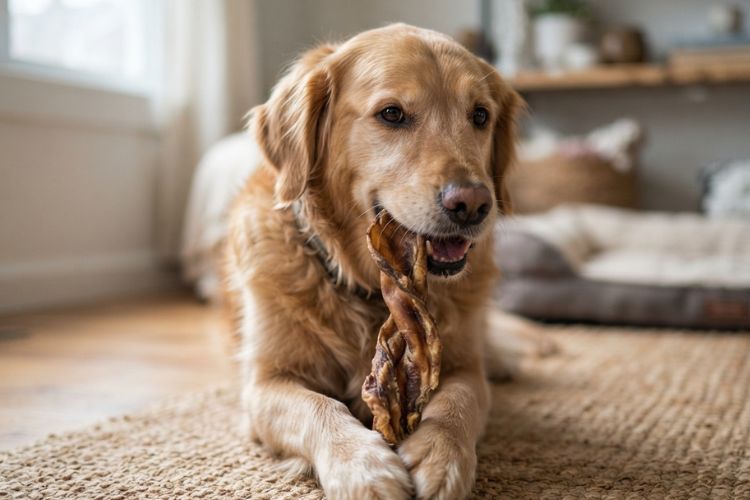
Pig ears can be good for dogs when they come from a trusted source, are properly dried, and are given in moderation. They are high in protein, satisfying to chew, and easier to digest than rawhide.
They are also high in fat. That makes them a poor fit for overweight dogs or dogs prone to pancreatitis.
Pig ears for dogs have been around for decades, and the reasons are easy to see.
Pig ears are made mostly of cartilage and skin. Both are protein-rich, which helps support lean muscle.
Rawhide can swell in the stomach and cause blockages. A pig ear is actual meat and cartilage, so it breaks down more naturally during digestion.
Chewing relieves boredom, burns mental energy, and calms anxious dogs. A pig ear keeps many dogs busy for 10 to 30 minutes.
The chewy texture creates friction against the teeth. This can reduce soft plaque buildup over time.
Even picky eaters tend to love the rich, porky taste. That makes pig ears useful as high-value rewards.
Are pig ears bad for dogs? Not by default. But three risks deserve your attention.
This was the root of the 2019 outbreak. Poorly processed pig ears can carry Salmonella. That puts both dogs and the people handling the treats at risk. Buying from producers with strict preparation and sourcing standards lowers this risk a great deal.
Pig ears are naturally fatty. Too much fat can cause:
Dogs that tear off and swallow large chunks can choke. Pieces that are swallowed whole can also cause intestinal blockage.
Are pig ears safe for dogs in your home? Use this checklist to find out:
Can dogs eat pig ears daily? Most dogs should not. Because of the fat content, one to two pig ears per week works well for most healthy adult dogs.
Size matters too:
Always count pig ears toward your dog’s 10% daily treat allowance. On pig ear days, cut back on other snacks.
Skip pig ears, or ask your vet first, if your dog:
Here is how pig ears compare with other common chews:
| Chew | Digestibility | Fat Level | Best For |
| Pig ears | High | High | Healthy, active adult dogs |
| Rawhide | Low | Low | Not recommended |
| Chicken feet | High | Moderate | Joint support |
| Bully sticks | High | Low to moderate | Long chewing sessions |
Pig ears good for dogs? Yes, with conditions. They are protein-rich, digestible, and deeply satisfying. Their risks come from poor processing and overfeeding, and you control both. Buy from a trusted source, serve them occasionally, and supervise every chew.

Every pig ear from Baby Boy Treats is dehydrated in small batches and contains a single ingredient. Our founders are professional chefs, and they hold our treats to the same standards they use in their kitchens.
Shop dehydrated pig ears and give your dog a chew you can feel confident about.
Can pig ears cause diarrhea in dogs?
Yes, especially when a dog eats a whole ear for the first time. Start with a small piece and increase slowly.
Are pig ears better than rawhide?
For most dogs, yes. Pig ears are more digestible and less likely to swell inside the stomach.
How long should a dog chew a pig ear?
Most dogs finish one in 10 to 30 minutes. Take away the last small piece to prevent choking.
Do pig ears clean dogs’ teeth?
They offer a mild cleaning effect through chewing friction. Regular brushing is still the best way to protect your dog’s teeth.