
Why does your dog nail “sit” in the kitchen but ignore you completely at the park?
The command is usually fine. The reward is usually the problem. A dry biscuit can’t compete with squirrels, other dogs, and a hundred new smells.
The best dog training treats turn distraction into focus. This guide explains what separates a great training treat from a forgettable one, and how to use treats to get faster, more reliable results.
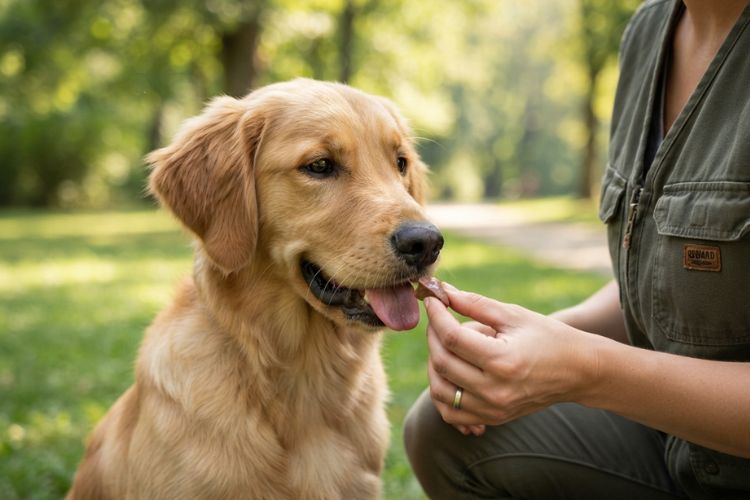
The best training treats for dogs share five qualities:
Not all rewards carry equal weight. Professional trainers sort treats into three levels.
Examples include kibble and plain biscuits. Use them for easy, familiar behaviors at home.
Examples include soft commercial chews and small cheese cubes. Use them for practicing known commands with mild distractions.
Examples include freeze-dried liver, chicken hearts, and real meat pieces. Use them for recall, new skills, and noisy or crowded places.
High value dog treats for training are almost always meat-based. Dogs are wired to prioritize animal protein, and the scent of real organ meat is hard to ignore.
Top high-value picks include:
Puppy treats for training need a little extra thought. Puppies have smaller stomachs, developing teeth, and shorter attention spans.
The best puppy training treats are:
Aim for 5 to 10 minutes per session. End on a success, while your puppy is still eager for more.
Even the best treats fail without good technique. Follow these steps:
Training treats add up fast. Follow the 10% rule: treats should not exceed 10% of daily calories.
Ways to stay on track:
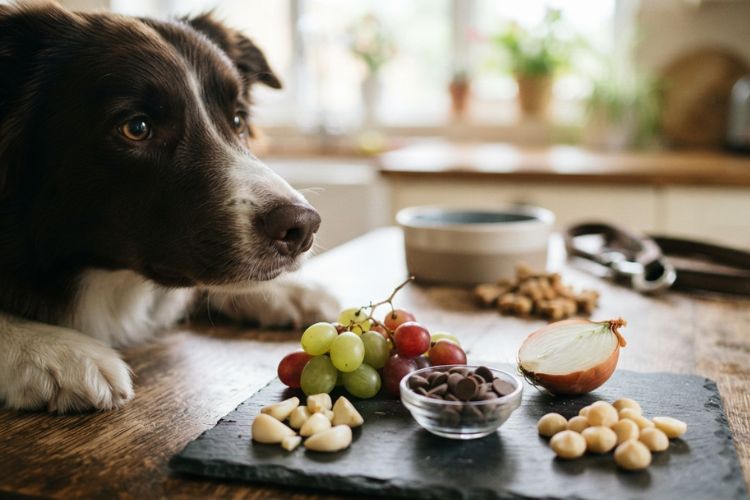
Skip treats that list:
The best dog training treats are small, smelly, and simple. Real meat, especially freeze-dried organ meat, gives you the high value needed to hold attention in any setting. Match treat value to task difficulty, reward quickly, and watch the calories. With the right treats and a consistent approach, your dog will choose you over the squirrel.
Baby Boy Treats creates single-ingredient, high-protein treats that trainers and pet parents trust. Our freeze-dried chicken hearts and beef liver break easily into perfect training-sized rewards.
Shop high-value training treats and make every session count.
How big should training treats be?
About the size of a pea for most dogs. Toy breeds and puppies need even smaller pieces.
How many training treats can I give per day?
Keep total treats under 10% of your dog’s daily calories. Break treats into tiny pieces to stretch them further.
Can I use kibble as a training treat?
Yes, for easy behaviors at home. For new skills or distracting places, switch to a high-value meat treat.
When should I stop using treats in training?
Fade them gradually once a behavior is reliable. Replace constant treats with occasional rewards, praise, and play.